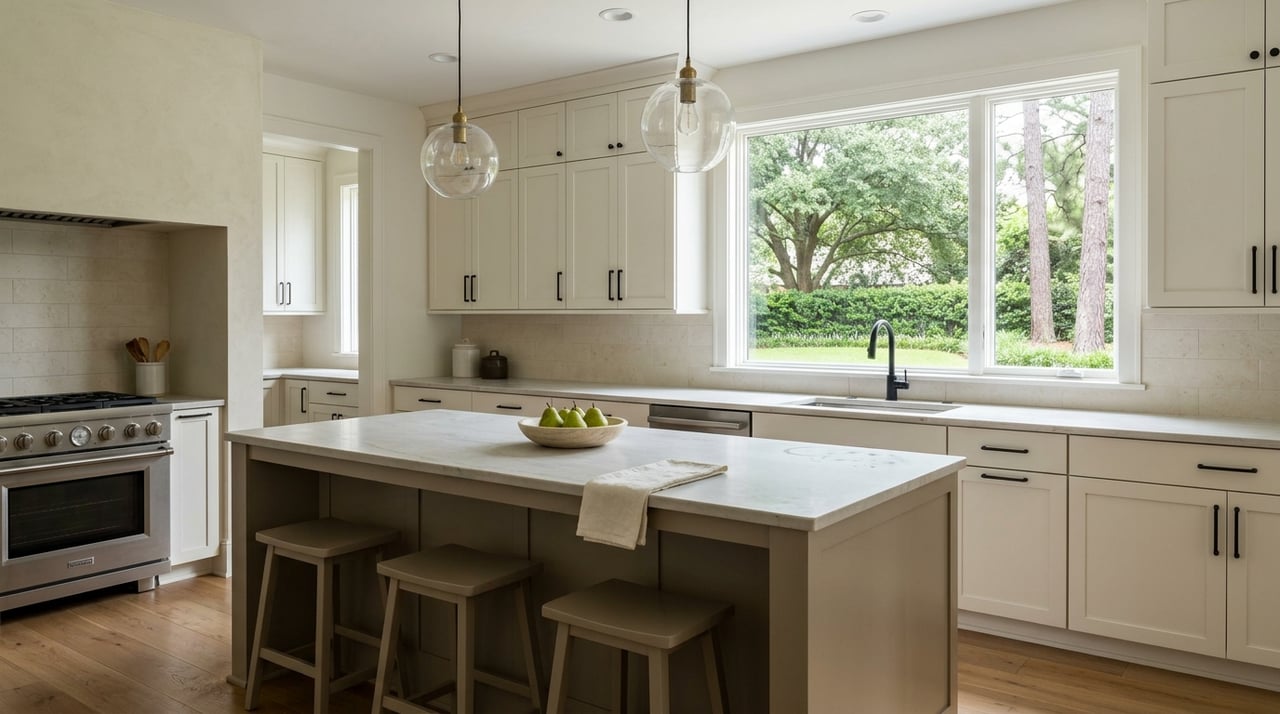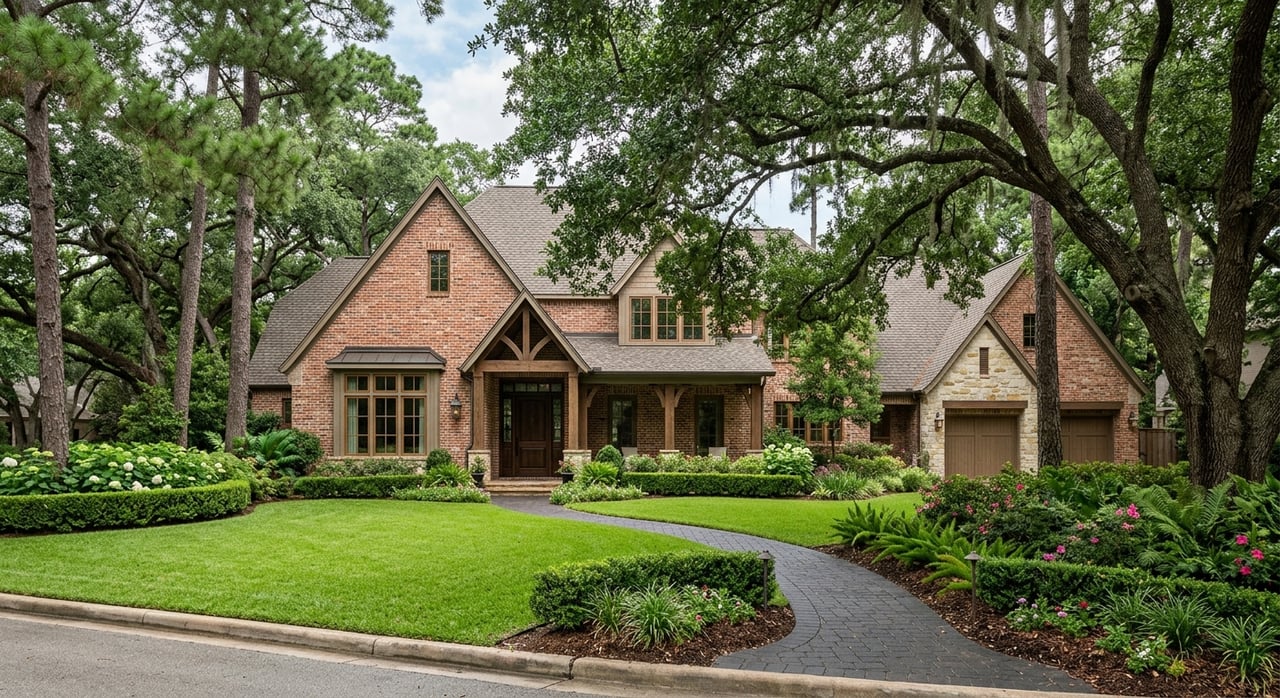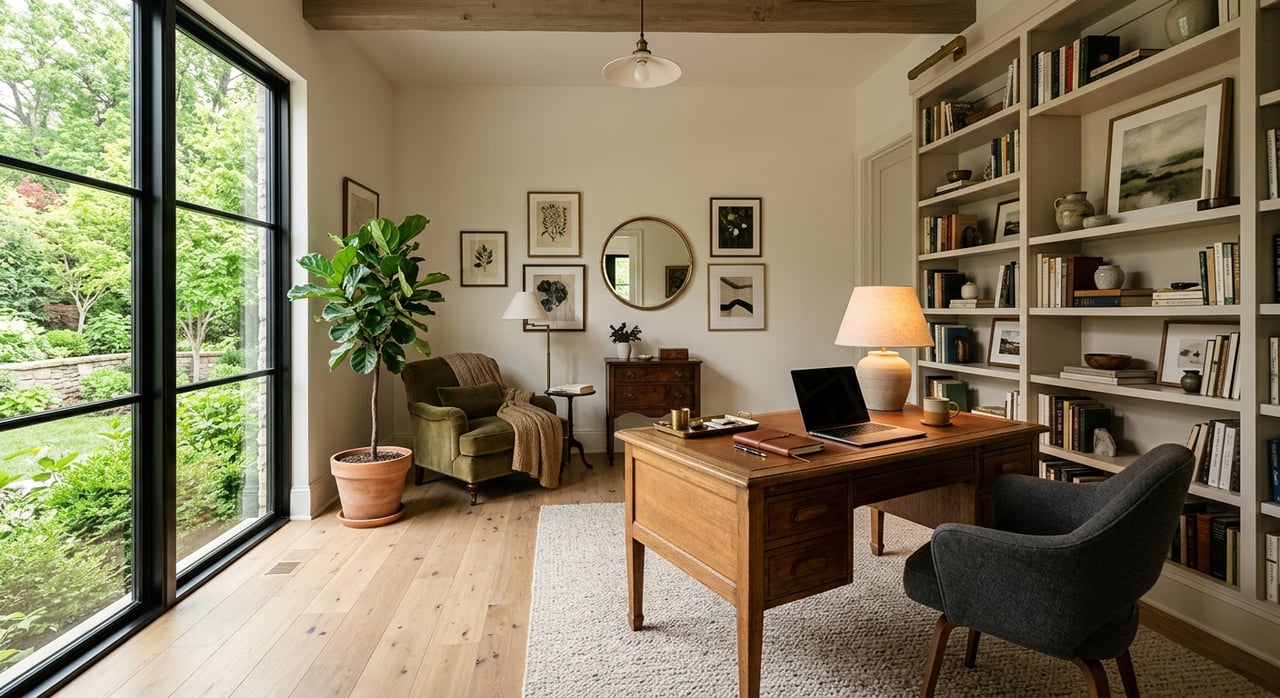
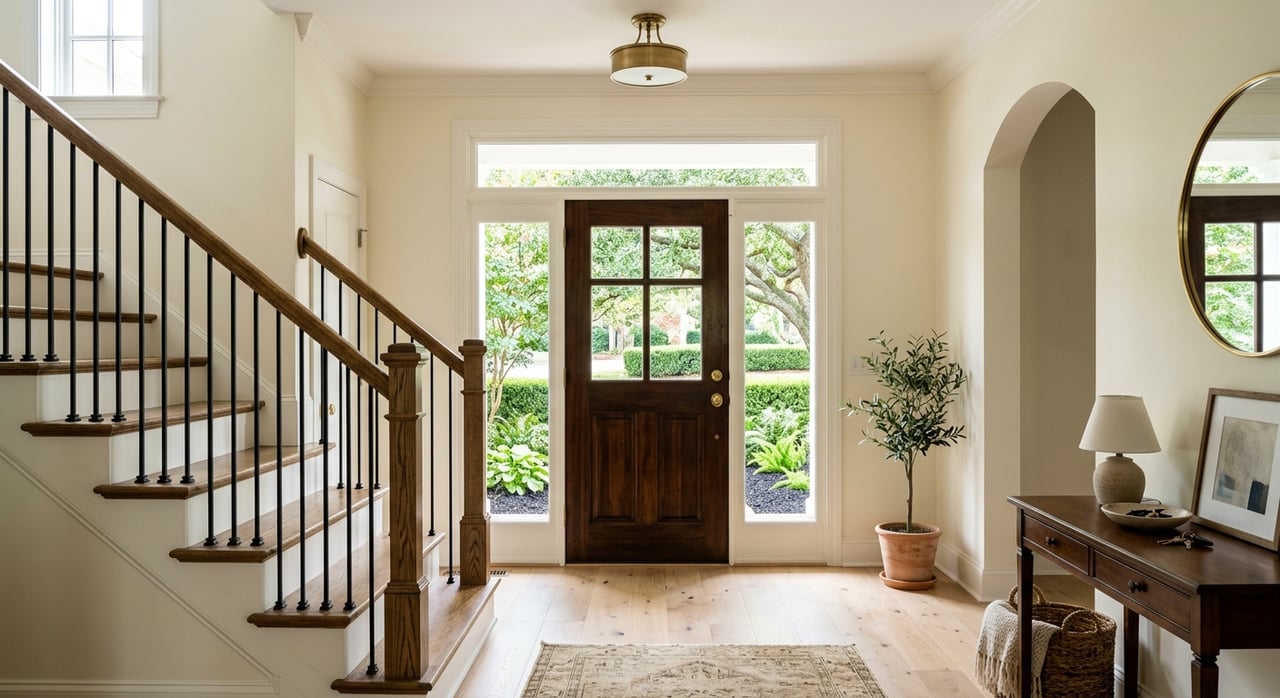
Trying to lease a home in The Woodlands can feel simple at first glance, until you start comparing prices, gathering paperwork, and racing short response deadlines. If you are relocating, upsizing from an apartment, or just want more space, it helps to know that renting a home here is usually more structured than many people expect. This guide will walk you through how leasing a home in The Woodlands really works, what costs to plan for, and where people often get tripped up. Let’s dive in.
The Woodlands rental market at a glance
If you have looked at listings and felt confused by the rent range, you are not imagining it. The Woodlands has a wide spread in rental pricing because the market includes apartments, townhomes, condos, and larger single-family homes.
Current public data shows that HAR lists 336 homes for rent in The Woodlands with an average asking rent of $3,523. Those listings average 3,157 square feet with 4 bedrooms and 3 bathrooms. At the same time, RentCafe reports average apartment rent of $1,680, Zillow reports an average rent of $2,733 across property types, and the Census Bureau’s 2020-2024 ACS shows a median gross rent of $1,822.
Those numbers are not direct apples-to-apples comparisons. They reflect different property types and different ways of measuring rent. The clearest takeaway is that apartment pricing and home rental pricing can look very different in The Woodlands.
Current HAR examples range from about $1,595 to $5,000. That means you should not assume there is one standard rent number for this area. Your price point will depend heavily on the type of home, size, condition, and location within The Woodlands.
Why leasing a home feels more formal
Leasing a detached home or townhome in The Woodlands is often not a casual search. In many cases, it is a paperwork-heavy process with specific screening steps, deposits, and deadlines.
That matters because a home lease application in Texas often asks for much more than basic contact information. A current Texas Apartment Association sample application shows common requests such as ID details, Social Security number, employment and income, rental history, criminal history, emergency contact information, vehicle information, and pet information.
If more than one adult will live in the property, each adult commonly completes a separate application. TexasLawHelp also notes that applications often spell out the proposed move-in date, lease term, security deposit, occupants, pets, utilities, and any written record of verbal promises. In other words, expect the process to be detailed from the start.
What Texas landlords must provide
Texas law gives you some important protections during the application stage. When a landlord gives you an application, they are required to also provide printed tenant selection criteria and the grounds for denial.
That written criteria may include items such as criminal history, previous rental history, current income, credit history, or inaccurate or incomplete information. This is one reason it is smart to read every page carefully before you submit anything. You want to know exactly how the screening process will work.
Screening must also comply with fair housing law. That means decisions cannot be based on race, color, religion, sex, familial status, disability, or national origin.
How application timing usually works
One of the biggest surprises for renters is how quickly things can move once an application is submitted. Texas law generally treats an applicant as rejected if the landlord does not give notice of acceptance within 7 days after a completed application is submitted.
In practice, some listings move even faster than that. A Texas Apartment Association sample shows that after approval, there may be only a short window to sign the lease and pay required funds.
That same sample also shows that keys or access devices are usually released only after all parties have signed and all rent and deposits have been paid. If you are applying in a competitive situation, being slow to respond can cost you the home.
What to prepare before you apply
Because response windows can be short, it helps to get organized early. Having your information ready can reduce stress and help you move quickly when you find the right property.
Here is what you may want to have ready:
- Government-issued identification
- Social Security number or required identification details
- Employment and income information
- Recent rental history
- Vehicle information
- Pet information, if applicable
- Proposed move-in date
- Funds ready for application-related costs
Accuracy matters just as much as speed. Texas law allows denial for inaccurate or incomplete information, so it is worth double-checking your application before you submit it.
Understanding fees, deposits, and upfront costs
Your move-in budget is usually more than the first month’s rent. This is where many renters underestimate the true cost of leasing a home in The Woodlands.
TexasLawHelp says application fees are generally nonrefundable and often fall between $15 and $50, with no statutory cap. A Texas Apartment Association sample also shows that an application deposit may be part of the process, and that deposit may later be credited toward the security deposit if you are approved.
Beyond that, your total upfront costs can include:
- Application fee
- Application deposit
- Security deposit
- First month’s rent
- Possible renter’s insurance
- Pet deposits or pet addenda
- Utility setup responsibilities
- Possible late charges or reletting charges described in the lease
Texas law does not cap security deposits in most market-rate rentals. It also treats the security deposit as legally separate from rent or an application deposit.
What your security deposit does and does not cover
A security deposit is not a substitute for rent. Under Texas law, you cannot simply apply it to your last month’s rent unless the lease specifically allows that.
The main purpose of the security deposit is to protect the landlord against certain damages or charges you are legally responsible for. It is not meant to cover normal wear and tear.
That distinction becomes important when you move out. Small everyday use is different from damage, and your documentation can make that much easier to sort out.
Smart move-in steps that protect you
A careful move-in process can help you avoid disputes later. TexasLawHelp recommends doing a move-in walk-through, taking photos, and creating a written damage list.
This is one of the simplest ways to protect your deposit. If you can clearly show the home’s condition when you took possession, you are in a much stronger position at move-out.
It is also smart to keep copies of your application, lease, receipts, and any written notes about agreed terms. When details are documented, misunderstandings are easier to avoid.
What happens at move-out
Texas law generally requires a landlord to refund the security deposit within 30 days after you surrender the premises. A landlord may deduct for damage and other charges you are legally responsible for, but not for normal wear and tear.
To help that process go smoothly, TexasLawHelp advises returning keys and providing your forwarding address in writing. Those steps may sound small, but they matter.
If a landlord withholds an application fee, application deposit, or security deposit in bad faith, Texas law allows statutory penalties and attorney’s fees. For most renters, the practical lesson is simple: document the condition of the home and keep your records organized.
The Woodlands details renters should know
The Woodlands has a few local wrinkles that can surprise people, especially if you are moving from another area. One of the biggest is that The Woodlands is served by county systems rather than a standard city government.
According to The Woodlands Township, county services depend on your address and may fall under Montgomery County or Harris County. That means practical service questions may vary depending on exactly where the property is located.
There are also community standards that can affect rental activity. The Woodlands Township Residential Development Standards allow one sign advertising a property for sale, rent, or lease on each single-family lot, and the sign must be removed within seven days after the sale or rental closes.
These details may not change your lease terms directly, but they show why local guidance matters. In a place like The Woodlands, neighborhood and township rules can shape the rental experience around the edges.
How to approach your search wisely
If you want to lease a home in The Woodlands, it helps to think beyond monthly rent. A smart search looks at the full picture, including property type, total move-in cost, application timing, and service area details tied to the address.
A few practical steps can make your search smoother:
- Compare similar property types rather than mixing apartments with large detached homes
- Ask what fees and deposits are due before move-in
- Read tenant selection criteria before paying to apply
- Submit complete and accurate information
- Be ready to respond quickly after approval
- Document the home carefully at move-in and move-out
The process is very manageable when you know what to expect. Most stress comes from surprises, not from the lease itself.
Why local guidance helps
For many renters, the hardest part is not finding a home online. It is understanding how the process works in real life, especially when paperwork, deadlines, and local rules all come into play at once.
That is where a knowledgeable local agent can make a real difference. Clear explanations, quick communication, and neighborhood familiarity can help you move with more confidence and less guesswork.
If you are planning a move in The Woodlands and want step-by-step help with the leasing process, reach out to Alejandra De La Campa. She can help you navigate your options with local insight and a calm, clear approach.
FAQs
How much does it cost to lease a home in The Woodlands?
- It varies widely by property type. Current public data shows home rentals on HAR averaging $3,523, while other sources report lower averages that include apartments or broader housing categories, so you should compare similar property types.
What documents do you usually need for a Woodlands lease application?
- Many Texas rental applications ask for ID details, Social Security number, employment and income information, rental history, emergency contact information, vehicle information, and pet information, and each adult occupant may need to apply separately.
How long does a Texas landlord have to respond to a rental application?
- Texas law generally treats an applicant as rejected if the landlord does not give notice of acceptance within 7 days after a completed application is submitted.
Are rental application fees refundable in The Woodlands?
- Application fees are generally nonrefundable in Texas, and they often range from $15 to $50, although landlords must follow Texas rules on providing tenant selection criteria and related notices.
Can you use a security deposit as last month’s rent in Texas?
- No. Texas law treats a security deposit separately from rent, so you cannot use it as last month’s rent unless the lease specifically allows it.
When should a security deposit be returned after moving out of a Woodlands rental?
- Texas law generally requires the landlord to return the security deposit within 30 days after you surrender the premises, minus any lawful deductions for damage or charges you are responsible for.
What local detail matters most when renting in The Woodlands?
- One important detail is that county services depend on the property address, since The Woodlands may be served through Montgomery County or Harris County systems depending on location.